

In today’s digital age, data breaches have become an unfortunate reality for businesses and individuals alike. A data breach occurs when unauthorized individuals gain access to sensitive information, such as personal identification details, financial records, or proprietary business data. The impact of such breaches can be profound and multifaceted, affecting not only the immediate victims but also the broader ecosystem in which they operate.
Understanding the implications of a data breach is crucial for both organizations and consumers, as it allows them to navigate the complexities of the digital landscape with greater awareness and preparedness. The ramifications of a data breach extend far beyond the initial incident. For businesses, the immediate aftermath often involves a flurry of activity as they scramble to assess the damage, notify affected parties, and implement remedial measures.
This chaotic response can lead to operational disruptions, loss of productivity, and a diversion of resources that could have been better spent on growth initiatives. For individuals, the consequences can be equally daunting, as they may find themselves grappling with identity theft, financial fraud, or a loss of privacy. The emotional and psychological toll can be significant, leaving victims feeling vulnerable and exposed in an increasingly interconnected world.
Key Takeaways
- A data breach can have far-reaching consequences, impacting not only the organization’s finances but also its reputation and the emotional well-being of those affected.
- The financial consequences of a data breach can be significant, including costs associated with investigation, remediation, legal fees, and potential fines or penalties.
- Reputational damage caused by a data breach can lead to loss of customer trust, negative publicity, and long-term impact on the organization’s brand and market position.
- Legal and regulatory ramifications of a data breach can result in lawsuits, regulatory investigations, and compliance requirements, leading to further financial and reputational damage.
- The emotional toll of a data breach on individuals affected can be significant, leading to stress, anxiety, and a sense of violation. Organizations must consider the human impact of a breach.
The Financial Consequences of a Data Breach
The financial implications of a data breach can be staggering, often reaching into the millions or even billions of dollars. Organizations face a myriad of costs associated with a breach, including forensic investigations to determine the extent of the damage, legal fees for compliance and litigation, and potential fines imposed by regulatory bodies. Additionally, companies may need to invest in enhanced security measures to prevent future breaches, further straining their budgets.
The financial burden can be particularly devastating for small businesses that may lack the resources to absorb such unexpected expenses. Moreover, the long-term financial consequences can be even more severe. A data breach can lead to a significant decline in customer trust and loyalty, resulting in lost sales and revenue.
Customers may choose to take their business elsewhere, fearing that their personal information is not safe with a company that has experienced a breach. This erosion of trust can take years to rebuild, and in some cases, businesses may never fully recover. The financial fallout from a data breach is not just a one-time event; it can have lasting effects that ripple through an organization for years to come.
The Reputational Damage Caused by a Data Breach
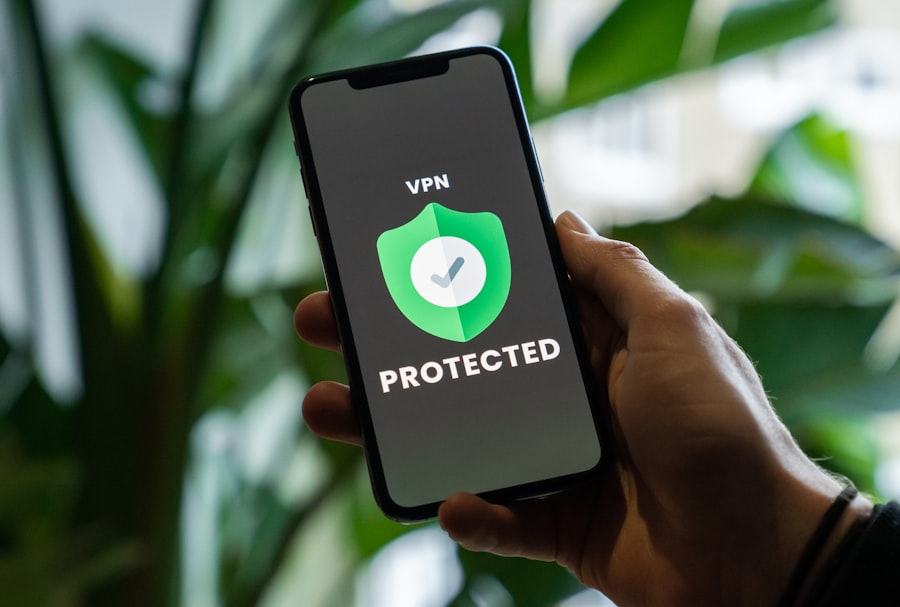
Reputation is one of the most valuable assets a business possesses, and a data breach can tarnish that reputation almost instantaneously.
Customers may question the competence and reliability of the organization, leading to a loss of confidence that can be difficult to restore.
In an era where consumers are increasingly aware of cybersecurity issues, a single breach can overshadow years of positive brand perception. The reputational damage caused by a data breach can extend beyond immediate customers to affect partnerships and collaborations as well. Businesses that rely on trust and credibility may find themselves facing challenges in securing new contracts or maintaining existing relationships.
Stakeholders may become wary of associating with an organization that has experienced a breach, fearing that their own reputations could be compromised by association. In this way, the fallout from a data breach can create a ripple effect that impacts not just the breached entity but also its entire network.
Legal and Regulatory Ramifications of a Data Breach
| Legal and Regulatory Ramifications of a Data Breach | |
|---|---|
| Data Protection Laws | Fines and Penalties |
| Notification Requirements | Lawsuits and Legal Actions |
| Reputational Damage | Compliance Costs |
The legal landscape surrounding data breaches is complex and ever-evolving. Organizations that experience a breach may find themselves facing lawsuits from affected individuals or groups seeking compensation for damages incurred as a result of the breach. Additionally, regulatory bodies may impose fines or penalties for non-compliance with data protection laws, such as the General Data Protection Regulation (GDPR) in Europe or the California Consumer Privacy Act (CCPA) in the United States.
These legal ramifications can add another layer of complexity to an already challenging situation. Navigating the legal aftermath of a data breach requires expertise and diligence. Organizations must ensure they are compliant with all relevant laws and regulations while also managing public relations efforts to mitigate reputational damage.
This often involves working closely with legal counsel to develop strategies for addressing potential lawsuits and regulatory inquiries. The legal costs associated with these efforts can be substantial, further compounding the financial impact of the breach.
The Emotional Toll of a Data Breach
While much attention is often focused on the financial and reputational consequences of a data breach, it is essential not to overlook the emotional toll it takes on individuals affected by such incidents. Victims may experience feelings of anxiety, fear, and vulnerability as they grapple with the reality that their personal information has been compromised. The psychological impact can be profound, leading to stress-related health issues or even long-term trauma.
For many individuals, the emotional fallout from a data breach can manifest in various ways. They may become hyper-vigilant about their online activities, constantly monitoring their accounts for signs of fraud or identity theft. This heightened state of alertness can lead to burnout and fatigue, as victims feel they must remain on guard at all times.
Additionally, the loss of privacy can create feelings of helplessness and violation, further exacerbating emotional distress. It is crucial for organizations to recognize this human element when addressing the aftermath of a data breach and provide support to those affected.
Steps to Take to Protect Your Data

In light of the increasing prevalence of data breaches, it is essential for both individuals and organizations to take proactive steps to protect their sensitive information. One fundamental measure is implementing strong password practices, such as using complex passwords that combine letters, numbers, and special characters. Additionally, enabling two-factor authentication adds an extra layer of security by requiring users to verify their identity through multiple means before accessing accounts.
Regularly updating software and systems is another critical step in safeguarding data. Cybercriminals often exploit vulnerabilities in outdated software to gain unauthorized access to sensitive information. By keeping systems up-to-date with the latest security patches and updates, individuals and organizations can significantly reduce their risk of falling victim to a breach.
Furthermore, educating employees about cybersecurity best practices is vital for organizations; human error remains one of the leading causes of data breaches.
The Importance of Cybersecurity Measures
Investing in robust cybersecurity measures is no longer optional; it is essential for protecting sensitive information in today’s digital landscape. Organizations must prioritize cybersecurity by implementing comprehensive security protocols that encompass everything from firewalls and encryption to intrusion detection systems. These measures work together to create multiple layers of defense against potential threats.
Moreover, fostering a culture of cybersecurity awareness within an organization is crucial for ensuring that all employees understand their role in protecting sensitive information. Regular training sessions on recognizing phishing attempts, safe browsing practices, and secure data handling can empower employees to be vigilant against potential threats. By creating an environment where cybersecurity is prioritized at all levels, organizations can significantly reduce their risk of experiencing a data breach.
Rebuilding Trust After a Data Breach
Rebuilding trust after a data breach is no small feat; it requires time, transparency, and consistent effort from organizations. The first step in this process is acknowledging the breach and communicating openly with affected parties about what occurred and what steps are being taken to rectify the situation. Transparency is key; customers want to know that their concerns are being taken seriously and that measures are being implemented to prevent future incidents.
Additionally, organizations must demonstrate their commitment to improving security measures by investing in advanced technologies and practices designed to protect sensitive information. This may involve hiring cybersecurity experts or conducting regular security audits to identify vulnerabilities before they can be exploited by malicious actors. By taking tangible steps toward enhancing security and demonstrating accountability, organizations can begin to rebuild trust with their customers and stakeholders over time.
In conclusion, understanding the multifaceted impact of a data breach is essential for navigating today’s digital landscape effectively.
By taking proactive steps to protect sensitive information and investing in robust cybersecurity measures, individuals and organizations can mitigate risks and work toward rebuilding trust in the aftermath of a breach.
In an era where data is currency, safeguarding it has never been more critical.
Data breaches are a serious concern for businesses of all sizes, as they can result in the exposure of sensitive customer information. One way companies can protect themselves from data breaches is by implementing secure chatbot integration. According to a recent article on Bizntechstl, chatbot integration can help businesses streamline customer interactions while also ensuring that sensitive data is kept safe and secure. To learn more about the benefits of chatbot integration in preventing data breaches, check out the article here.


0 Comments